
New Zealand vs India 2nd ODI: Match Preview, Pitch Report, Prediction and Probable XIs
New Zealand will look to respond when they face India in the second ODI of the five-match series at Hnry Stadium in Wellington on Saturday, November 7. India lead the series 1-0 after winning the rain-affected opening match, leaving the hosts with little room for error if they want to regain momentum.
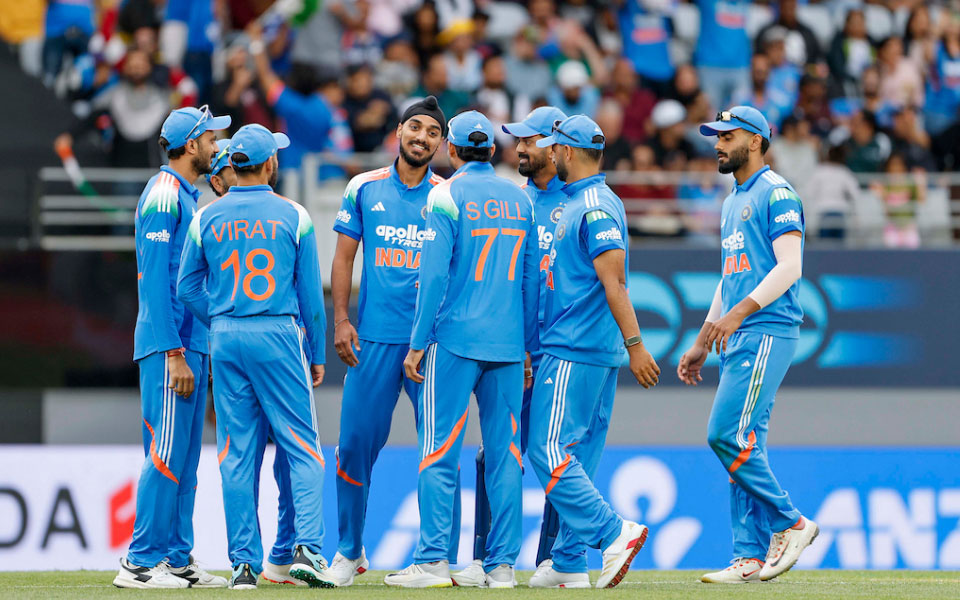
The first game exposed a sharp contrast between the teams. New Zealand struggled to build a competitive innings and were dismissed for 185, while India’s bowlers made the most of a difficult situation despite missing several frontline fast bowlers. Rain and the Duckworth-Lewis-Stern (DLS) method altered the chase, but India’s batters still showed composure in reaching the revised target.
First ODI Sets Up a Crucial Response
New Zealand’s batting effort in the series opener never gathered sustained momentum. The Black Caps lost wickets at regular intervals, preventing their middle order from building the kind of partnership needed to put India under pressure. With a modest total to defend, the bowlers had a narrow margin for error, and the visitors were able to control the chase.
India, meanwhile, entered the series without their full-strength pace attack and were not widely expected to dominate with the ball. Yet the less experienced combination of Anshul Kamboj, Gurnoor Brar and Arshdeep Singh delivered an impressive performance. Their discipline and ability to maintain pressure helped restrict New Zealand, showing that India have useful depth even when key fast-bowling options are unavailable.
The second ODI is an opportunity for New Zealand to correct their approach with the bat and use home conditions more effectively. India will aim to carry their confidence forward, while also looking for another strong contribution from a bowling group that handled pressure well in the opener.
NZ vs IND 2nd ODI: Match Details
Fixture: New Zealand vs India, second ODI
Series: India tour of New Zealand, five-match ODI series
Date: Saturday, November 7
Venue: Hnry Stadium, Wellington
Series position: India lead 1-0
Hnry Stadium Pitch Report
Hnry Stadium is generally regarded as a balanced venue, offering opportunities for both batters and bowlers. The surface can reward seamers who hit a good length, while batters may need time at the crease before playing their shots with confidence. Conditions in Wellington can also make accuracy important: bowlers who vary their pace and make use of any movement could create chances, particularly early in the innings.
The low-scoring first ODI should not necessarily be taken as a guide to what awaits in Wellington. If the pitch is true and the weather allows a full contest, a total in the region of 300 to 320 could be within reach. The toss may therefore matter, but the decision will also depend on the forecast and how much assistance the surface appears to offer the seamers.
NZ vs IND: Predicted Playing XIs
New Zealand
Will Young, Tim Seifert (wicketkeeper), Henry Nicholls, Daryl Mitchell, Tom Latham, Glenn Phillips, Michael Bracewell, Mitchell Santner (captain), Kyle Jamieson, Jacob Duffy, Blair Tickner.
India
Rohit Sharma, Shubman Gill (captain), Virat Kohli, Shreyas Iyer, KL Rahul (wicketkeeper), Axar Patel, Naman Dhir, Anshul Kamboj, Gurnoor Brar, Arshdeep Singh, Mohammed Siraj.
These are projected line-ups, and final selections may change depending on fitness, conditions and team strategy. New Zealand could consider whether their batting order needs adjustment after the opening collapse, while India will want to preserve the balance that worked well in the first match.
Players to Watch
Probable Best Batter: Virat Kohli
Virat Kohli was one of the standout performers in the opening ODI, scoring 73 and helping India move towards the revised target with authority. His innings was particularly valuable because batting was not straightforward for much of the match. Rather than allowing the bowlers to dictate terms, Kohli rotated the strike, selected scoring opportunities carefully and punished loose deliveries.
That combination of patience and controlled aggression makes him a key figure again in Wellington. If New Zealand can remove him early, they may disrupt India’s chase or limit the visitors’ ability to build a large total. If he settles in, however, his experience and ability to accelerate could make him the most influential batter on the field.
Probable Best Bowler: Jacob Duffy
Jacob Duffy offered New Zealand a bright spot in the first match, taking three wickets in seven overs. The right-arm quick can extract bounce by hitting the pitch hard, a skill that may be useful if Wellington offers assistance to seam bowling. His early overs against India’s top order could be pivotal, particularly against batters who prefer to establish themselves before attacking.
Duffy will need support from the other end. New Zealand’s bowlers cannot rely on one individual to contain a strong Indian batting line-up, especially if the visitors build partnerships. Consistent lines, well-planned changes of pace and pressure through the middle overs will be important to give the hosts a chance of levelling the series.
Match Prediction: Who Will Win the Second ODI?
India enter the match with the advantage of a 1-0 series lead and the confidence gained from a convincing opening performance. Their batting line-up has experience throughout, while the first ODI showed that their bowling reserves can contribute effectively even in the absence of several established fast bowlers.
New Zealand will be more dangerous on home soil if their top order spends longer at the crease and gives the middle order a platform. The hosts also have bowlers capable of exploiting movement and bounce, but they must first post a total that gives their attack something meaningful to defend.
Prediction: The team batting first could have the advantage at Hnry Stadium, especially if it posts a total around or above 300. India appear better placed based on the opening match, but New Zealand’s response with the bat will be the decisive factor. A strong start from either side could shape the contest, making the toss, early wickets and the first major partnership especially important.